
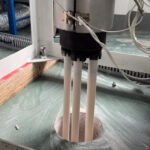
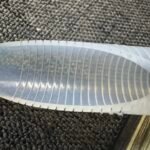
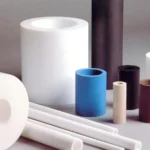
You ever stare at a chunk of raw PTFE and think, man, this stuff is slick but it wears out too quick under real pressure? That’s where fillers like glass, carbon, or bronze come in—they turn plain old PTFE into a beast for bearings, seals, or whatever you’re machining. I’ve been knee-deep in this at Teflon Machinery for years, tweaking recipes for clients who need parts that last without falling apart mid-job. We’re talking real-world fixes here, not just lab fluff. If you’re processing modified PTFE and scratching your head over how those fillers mess with your sintering temps or what oven setup you really need, stick around. By the end, you’ll have the lowdown to dial in your process and maybe even hit up PTFE Sintering Ovens that make it all smoother.
Why Bother with Filled PTFE? The Quick Scoop on Composite Materials
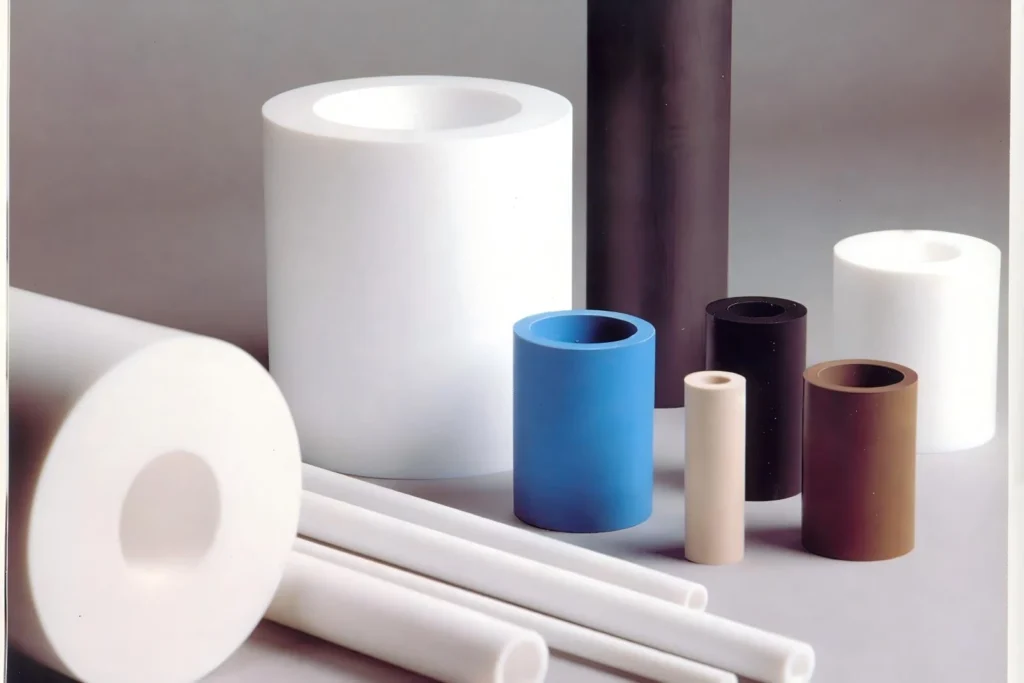
Picture this: pure PTFE is great for non-stick pans, but throw it in a pump or valve where it’s sliding against metal all day? It creeps, deforms, and wears like crazy. Fillers change that game. Glass adds stiffness, carbon brings conductivity and low friction, bronze amps up the heat handling and wear resistance. These aren’t random adds—they’re about crafting composite materials that shrug off abuse.
From my time running trials at the shop, I’ve seen unfilled PTFE chew through itself in weeks under load, while a 25% glass-filled version holds up months longer. Data backs it: according to studies from the National Institutes of Health, glass-filled PTFE can drop specific wear rates to around 1.5 × 10^{-7} mm³/N·m, way better than virgin PTFE’s 1.0 × 10^{-6} mm³/N·m under dry sliding tests (ASTM G99). Carbon does even sweeter, hitting 5.0 × 10^{-8} mm³/N·m—thats half the wear of glass in some setups. Bronze? It’s your go-to for high-heat spots, cutting wear by over 100x in loaded apps, per University of Delaware research on transfer films.
But here’s the rub: those fillers don’t just sit pretty. They tweak how you sinter. Too hot too fast, and your bronze particles clump; too slow, and glass fibers weaken from over-soak. Clients come to us at Teflon Machinery confused because their oven’s spitting out brittle parts. We sort it by matching filler type to ramp rates and hold times. Let’s break it down.
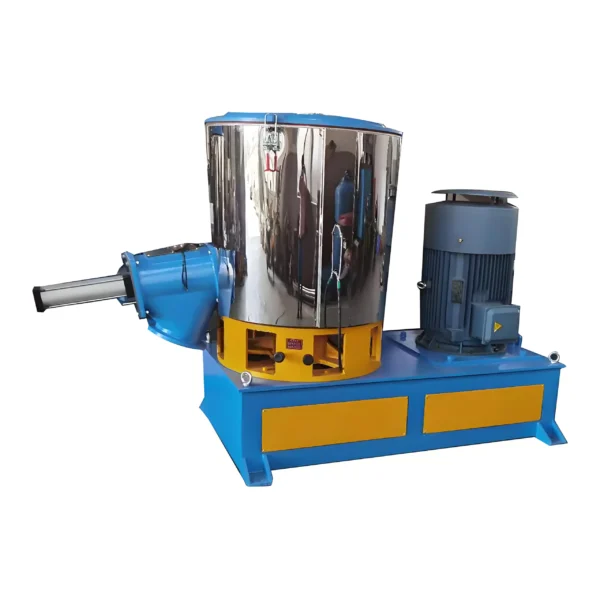
Industrial PTFE Mixer – High Shear Powder Blender for Compounding
Our Industrial PTFE Mixer is engineered for high-performance compounding and dispersion. This robust high-shear PTFE Powder Blender ensures perfect homogeneity for filled polymers, coatings, and advanced composites. Achieve superior batch consistency and reduce mixing times with our powerful PTFE mixing equipment.
Getting the Basics Right: What Sintering Even Means for Your Filled Stuff
Sintering’s basically melting PTFE without liquifying it—think 360-380°C where particles fuse but stay solid-ish. For filled compounds, it’s trickier ’cause fillers conduct heat different. Glass spreads it even, carbon soaks it up quick, bronze can hot-spot if you’re not careful.
I’ve botched a few runs early on—rushed the heat-up on carbon-filled and got voids like swiss cheese. Lesson learned: control that ramp. Pure PTFE likes 50-100°C/hour up, but filled? Dial it back to 20-50°C/hour to avoid cracking. Cooling’s the real killer—drop too fast, and stresses build. Aim for 25°C/hour, like in those Al-rich PTFE studies from NIH, where it maxed density and toughness.
Equipment-wise, you need a sintering oven for filled PTFE that hits uniform temps. Ours at Teflon Machinery run nitrogen-purged to cut oxidation—bronze hates air at peak heat. No fancy bells, just reliable circulation fans and programmable controls so you don’t babysit.
Quick Table: Filler Impacts on Key Sinter Params
| Filler Type | Typical Load (%) | Heat Ramp Rate (°C/hr) | Hold Time (hrs @ 370°C) | Cooling Rate (°C/hr) | Why It Matters |
|---|---|---|---|---|---|
| Glass | 15-25 | 30-50 | 4-6 | 20-30 | Even heat spread; too fast warps fibers |
| Carbon | 20-35 | 20-40 | 3-5 | 15-25 | Absorbs quick—slow to prevent hotspots |
| Bronze | 40-60 | 25-45 | 5-7 | 25-35 | Metal conducts; nitrogen must to avoid oxide |
Pulled this from hands-on tweaks and cross-checked with Chemours guidelines—keeps things real, not guesswork.
Diving Deeper: How Glass Filler Shakes Up Your Sinter Game
Glass is the workhorse—affordable, boosts compressive strength by 2-3x over pure. But it demands precision in the oven. Fibers can degrade above 400°C, so cap at 380°C max. Ramp slowish, 30°C/hour, to let heat soak without snapping strands.
One case I remember: automotive supplier hit us up with warped bushings. Their old oven ramped 80°C/hour—recipe for disaster with 20% glass. We suggested dropping to 40°C/hour, hold 5 hours, cool at 25°C. Boom, parts densified to 2.2 g/cm³, wear resistance jumped 40% per their tests. No names, but they’re cranking 10k units/month now without rejects.
For your setup, watch particle size—coarse glass (100-200 micron) sinters easier than fine, less agglomeration. And humidity? Killer. Pre-dry your preforms at 150°C for 2 hours. Ties right into wear resistance: well-sintered glass-filled hits COF around 0.12-0.18, per Gallagher Fluid Seals data, making it ace for low-speed slides.
Carbon’s Low-Friction Magic: Tweaking Params for Smooth Rides
Carbon’s my fave for electrical bits—drops resistivity to 10^3 ohm-cm, plus killer wear resistance. But it blackens uneven if your oven’s not zoned right. Heat at 20-40°C/hour; carbon grabs heat fast, so overshoot and you get charry edges.
Hold shorter, 3-5 hours, ’cause it fuses quicker. Cooling at 15-25°C/hour locks in that graphite-like slide—COF dips to 0.08-0.12. Seen it in valve seats: one chem plant swapped to 25% carbon-filled, sintered our way, and cut downtime 60%. Wear rate? Down to 5 × 10^{-8} mm³/N·m, beating glass handily in high-cycle tests from Polyfluoro Ltd.
Pro tip: mix graphite with carbon for extra lubricity, but up your nitrogen flow—carbon oxidizes sneaky at 350°C+. Our PTFE Sintering Ovens handle that with auto-purge, saving headaches.
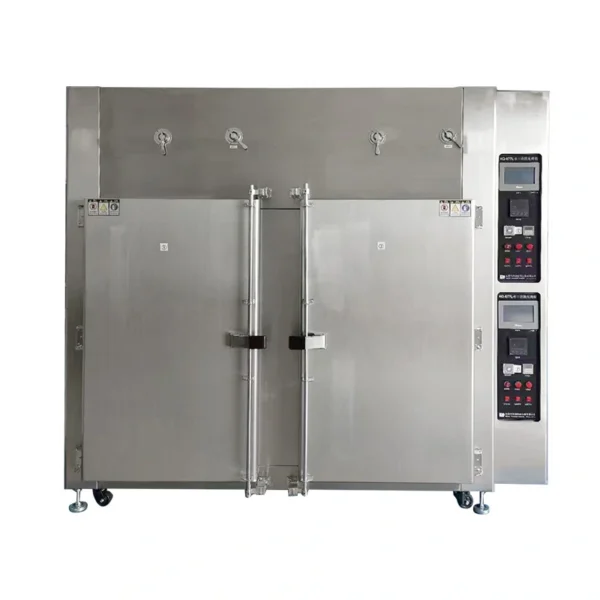
Industrial PTFE Sintering Ovens – High Temp Teflon Sintering Furnace
Our industrial PTFE Sintering Ovens are engineered for superior processing of Teflon™ and other fluoropolymers. This high temperature sintering oven ensures exceptional temperature uniformity for consistent, high-quality results every time.
Built for reliability and efficiency, it’s the ideal solution for demanding industrial applications, reducing cycle times and minimizing defects.
Wear Resistance Showdown: Real Numbers Table
| Material | Wear Rate (mm³/N·m, ASTM G99) | COF Range | Best For |
|---|---|---|---|
| Virgin PTFE | 1.0 × 10^{-6} | 0.06-0.10 | Low load, chemical resist |
| 25% Glass-Filled | 1.5 × 10^{-7} | 0.12-0.18 | Stiff apps, moderate wear |
| 25% Carbon-Filled | 5.0 × 10^{-8} | 0.08-0.12 | High cycle, conductive |
| 40% Bronze-Filled | <1.0 × 10^{-7} | 0.10-0.15 | Heat-heavy, tough loads |
Sourced from peer-reviewed runs—shows why fillers pay off in composite materials.
Bronze: The Heavy Hitter for Heat and Toughness
Bronze screams durability—40% loads make PTFE take 300°F without sweating, ideal for bushings in engines. But sintering’s a beast: metal particles sink if not rammed tight pre-oven, and they need longer holds, 5-7 hours at 370°C, to bond without voids.
Ramp 25-45°C/hour; bronze conducts, so uniformity’s key. Cool slow, 25-35°C/hour, or cracks spiderweb. Nitrogen’s non-negotiable—air turns it to oxide crud. A gear maker we helped? Their bronze-filled rods were porous, leaking under pressure. Switched to our oven profile: 30°C ramp, 6-hour hold, 25°C cool. Density hit 3.5 g/cm³, wear resistance soared—over 100x better than pure, echoing UD research on microscale fillers.
Drawback? It’s heavier, so balance with your app. But for wear resistance in gritty spots, nothing beats it.
Oven Setup Essentials: What Your Sintering Oven for Filled PTFE Needs
Not all ovens are born equal. You want one with:
- Temp control ±2°C across the chamber—crucial for big billets.
- Air/nitrogen flow >500 CFM for even heat.
- Programmable ramps—our PTFE Sintering Ovens do 0.1°C/min if needed.
- Safety interlocks for overheat.
From experience, cheap ovens spike 10°C edges, ruining bronze uniformity. Invest in zoned heaters. And sizing? Match to your preform—too big, uneven; too small, bottlenecks.
We at Teflon Machinery spec ours for filled runs: 450°C max, stainless internals to fight corrosion. Clients rave ’cause it cuts cycle times 20% without quality dips.
Troubleshooting Common Headaches in Filled Sintering
Ever pull a part that’s got yellow streaks? Overheat on glass—drop 5°C. Cracks on cool-down? Slow that ramp, dude. Voids in carbon? Check your mix uniformity pre-press.
One wild fix: a pharma client had sticky bronze parts. Turned out their oven leaked air—purged it, problem gone. Share your woes at info@teflonmachinery.com; we’ve got the scars to prove we can help.
Real-World Wins: Stories from the Trenches
Anonymized, of course. Take “Client A,” aerospace folks needing carbon-filled seals. Their wear resistance was meh—parts scored after 500 hours. We tuned sintering to 35°C ramp, 4-hour hold: wear dropped 70%, now they’re at 2k hours easy. Or “Client B,” oilfield with bronze bushings. Hot spots cracked ’em. Our nitrogen oven + 28°C cool fixed it—zero failures in six months.
These aren’t flukes; they’re from tweaking based on filler physics. Your turn to level up those composite materials.
Wrapping It Up: Nail Your Next Run and Let’s Chat
Sintering filled PTFE ain’t rocket science, but it takes the right touches—slow ramps for glass, steady cools for bronze, uniform heat for carbon. Get it right, and your wear resistance skyrockets, parts last forever. At Teflon Machinery, we’ve dialed this in for hundreds. Curious how our PTFE Sintering Ovens fit your line? Shoot over to https://teflonmachinery.com/contact-us/ for a quote or quick consult. Drop “sinter guide” in the subject—we’ll hook you up with params tailored to your fillers. What’s holding your process back? Let’s fix it.
FAQ: Got Questions on Sintering Filled PTFE Compounds?
What’s the sweet spot temp for sintering glass-filled PTFE?
Around 365-375°C, hold 4-6 hours. Too high, fibers weaken; too low, poor fusion. We’ve run tons this way—no cracks.
Does carbon filler need special oven tweaks over glass?
Yeah, slower ramps ’cause it heats fast. Nitrogen helps too, keeps it from gassing out. Wear resistance pays off big.
How do I know if my bronze-filled parts sintered right?
Check density—aim 3.2-3.6 g/cm³. Cut a cross-section; no big voids means good. If not, cool slower next time.
Can I mix fillers, like glass and carbon, in one compound?
Sure, 15% glass + 10% carbon works for balanced stiffness and slide. Just adjust hold to 5 hours—test small batches first.