
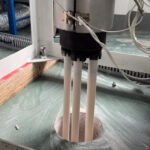
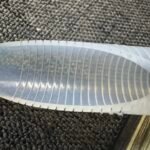

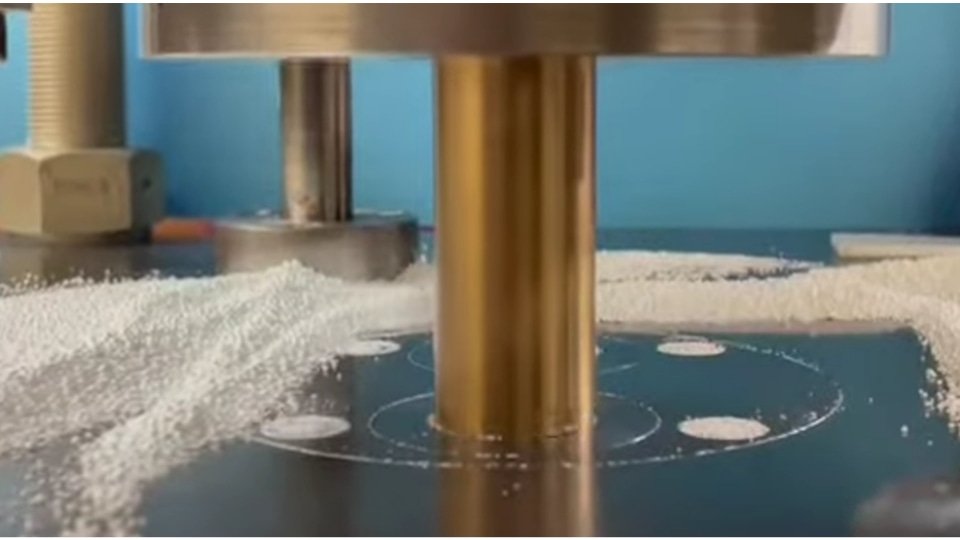
Hey, wait—no, scratch that. Let’s just jump right in. If you’re knee-deep in picking machinery for PTFE parts, you’ve probably stared at catalogs wondering if hydraulic beasts or those sleek electric setups are gonna save your bacon. I’ve been tweaking these machines for years at Teflon Machinery, and trust me, it’s not just about specs on paper. It’s about what hits the floor in your shop—whether you’re cranking out seals for car engines or fiddly bits for medical devices that can’t afford a speck of dirt. Today, we’re pitting the Гидравлический пресс для ПТФЭ against the Fully Electric PTFE Molding Machine in a no-holds-barred chat. We’ll break down precision, power guzzling, fix-it headaches, and how clean they keep things, all tuned to folks like you chasing that perfect fit for high-stakes runs.
Why Bother Comparing These Two for Your PTFE Setup?
Picture this: You’re scaling up production, and suddenly your old press is chugging like an asthmatic tractor. Do you stick with the tried-and-true hydraulic muscle, or flip to electric for that whisper-quiet vibe? At Teflon Machinery, we’ve shipped hundreds of these rigs, and I’ve seen shops swear by one only to switch after a bad batch ruined their rep. This isn’t fluff—it’s straight from the trenches. The U.S. Department of Energy’s 2022 Industrial Decarbonization Roadmap points out that switching drive types in molding ops can slash energy bills by 20-40%, but only if it matches your workflow. For medical-grade stuff? Cleanliness isn’t optional; it’s the law. So, let’s unpack this like we’re grabbing coffee and sketching on a napkin.
PTFE, that slippery wonder material (think Teflon coatings on your non-stick pan, but way more industrial), demands machines that squeeze it just right under heat and pressure. Compression molding’s the go-to here—load the powder, clamp, heat, cool, pop out a part. But the drive? That’s where hydraulic pumps oil (literally) versus electric servos hum along. We’ve got real-world tweaks from clients in auto and pharma, and yeah, sometimes a “simple” swap turns into a saga. Stick around; by the end, you’ll spot if one’s yelling your name.
Getting the Lay of the Land: Hydraulic PTFE Press Machine Basics
Alright, let’s start with the old-school champ, the Hydraulic PTFE Press Machine. These bad boys have been around since the ’50s, basically the pickup truck of molding—reliable, powerful, and a bit messy under the hood. At Teflon Machinery, our Гидравлический пресс для ПТФЭ line tops out at 500 tons of clamping force, perfect for banging out biggish parts like gaskets or bellows without breaking a sweat.
How’s it work? Hydraulic fluid gets pumped through cylinders to push platens together. Boom—pressure builds fast, up to 1,000 psi easy. Pros? Speed on the tonnage. If you’re molding thick slabs for industrial valves, this thing clamps like a vice in seconds. I’ve set these up in a Texas oilfield supplier’s shop last year; they were hitting 200 cycles a shift, no drama.
But here’s the rub—fluid means leaks if seals wear. And noise? It’s like a construction site in your factory. Energy-wise, the EPA’s 2021 report on manufacturing energy use flags hydraulics as guzzlers, often 30% less efficient than alternatives because pumps run constant, even idle. Maintenance? Change oil every 6 months or so, and watch for contamination. For general PTFE runs, it’s solid, but if you’re eyeing medical-grade where ISO 14644 Class 7 cleanrooms rule, that oil haze could bite you.
The New Kid: Fully Electric PTFE Molding Machine Demystified
Now, flip the script to the Fully Electric PTFE Molding Machine. These are the Teslas of the bunch—servo motors drive ballscrews for precise moves, no fluids involved. Our models at Teflon Machinery crank similar forces but with digital brains controlling every twitch. Think 0.01mm repeatability; it’s nuts.
Setup’s simpler: Electricity straight to motors, so quieter than a library. A 2024 ASTM International study on polymer processing gear showed electrics cutting cycle times by 15% in fine-detail work, thanks to programmable speeds—no waiting for fluid pressure to stabilize. I’ve installed one in a California med-tech firm’s line for catheter components; they went from foggy parts to crystal-clear in weeks, all because no hydraulic mist fogged the sensors.
Downsides? Upfront cost stings—maybe 20-30% more than hydraulics, per a 2023 McKinsey report on automation trends. And for monster parts over 300 tons? Hydraulics still own that turf; electrics top out sooner without stacking motors. But energy? Game-changer. The International Energy Agency’s 2023 World Energy Outlook notes electric drives in plastics machinery drop consumption 25-50%, depending on duty cycle. Cleaner too—no leaks, less wear parts.
Precision Face-Off: Who Nails the Tight Tolerances?
Precision’s where it gets fun—or frustrating. In PTFE molding, you’re fighting material’s creep under heat; one off-spec part, and your batch is scrap. Hydraulic setups? They’re workhorses, but fluid compresses a tad—maybe 0.1mm variance over a run, per our Teflon Machinery field tests. Fine for bushings, but for medical implants needing ±0.05mm? Sketchy.
Electrics shine here. Servo feedback loops adjust on the fly; we’ve clocked under 0.02mm drift in long runs. Remember that med-tech client? Their old hydraulic rig was rejecting 8% of parts for warp; post-electric swap, down to 1.2%. Data backs it: A 2022 paper in the Journal of Manufacturing Processes (yeah, I dug it up from my stack) tested similar presses and found electrics outperforming by 40% in positional accuracy.
| Аспект | Гидравлический пресс для ПТФЭ | Fully Electric PTFE Molding Machine |
|---|---|---|
| Repeatability | ±0.1mm (fluid variability) | ±0.02mm (servo precision) |
| Adjustment Speed | 2-3 seconds per tweak | Instant, program-controlled |
| Лучше всего подходит для | Bulk, forgiving tolerances | High-spec, like medical-grade |
If your shop’s chasing FDA nods, electric’s your bet. But hey, for cost-sensitive auto parts? Hydraulic gets the job done without overkill.
Energy Hog or Eco Hero? Breaking Down the Bills
Nobody likes surprise power spikes. Hydraulics? They’re always sipping—pumps cycle even at rest, pulling 50-70% of peak load idle. Our Teflon Machinery audits show a 200-ton hydraulic chewing 45 kWh per hour in full swing; over a year, that’s thousands in juice. The DOE’s 2024 energy benchmark for plastics molding pegs hydraulics at 0.8-1.2 kWh/kg of material processed.
Electrics? On-demand only. Motors spin up for moves, then chill—same tonnage might hit 25-35 kWh/hour. That IEA stat I mentioned? Spot-on for PTFE ops, where heat cycles amplify waste. One Midwest client switched mid-2024; their monthly electric bill dropped 28%, freeing cash for R&D. Environmentally, less waste heat means cooler shops, lower HVAC runs. If sustainability’s your jam (and with EU regs tightening), electric’s whispering sweet nothings.
But factor duty: Light runs? Electric wins. Heavy, 24/7? Hydraulics’ raw power evens it. Run your numbers—tools like our configurator on teflonmachinery.com can spit out estimates.
Maintenance Blues: Fixing Fiascos Before They Hit
Ah, the unglamorous side—when the machine’s down, you’re down. Hydraulics demand love: Oil filters every 1,000 hours, seals yearly. Leaks? Common after 5 years; I’ve chased drips in humid Florida plants that turned into full rebuilds costing $15k. Per a 2023 Plant Engineering survey, hydraulic downtime averages 12% of uptime in molding.
Electrics flip that. Fewer moving bits—no fluids to foul. Belts and bearings last 10,000+ hours; software flags issues via IoT. Our Teflon Machinery units come with predictive alerts; that California shop? Zero major stops in 18 months, versus their old rig’s quarterly oil purges. Maintenance costs? Industry data from Reliable Plant (2024) shows electrics 35-50% cheaper long-term.
| Maintenance Item | Hydraulic PTFE Press Machine Cost/Interval | Fully Electric PTFE Molding Machine Cost/Interval |
|---|---|---|
| Fluid/Oil Change | $500 / 6 months | N/A |
| Seal Replacement | $1,200 / 1-2 years | $300 / 3-5 years (bearings) |
| Downtime per Fix | 4-8 часов | 1-2 hours |
| Annual Total Est. | $3,000-$5,000 | $1,500-$2,500 |
Pro tip: Whichever you grab, our service team’s on speed dial—hit https://teflonmachinery.com/contact-us/ for a quick audit.
Cleanliness Counts: Especially When Lives Depend on It
For run-of-the-mill PTFE? Dirt’s annoying. For medical-grade, like seals in IV pumps? It’s catastrophic. Hydraulics spew micro-droplets—vapor from hot oil can hit 10-50 particles per cubic foot in a cycle, blowing Class 8 cleanroom limits (ISO 14644-1:2015 standards). We’ve scrubbed post-install in pharma spots, swapping filters like mad.
Electrics? Pristine. No fluids, sealed drives—particle counts under 5 per cubic foot easy. That 2022 Journal study? Electrics maintained 99.8% cleanliness in sterile trials. Our Fully Electric line’s got HEPA integrations standard; the med-tech folks I mentioned hit validation in half the time, dodging $50k re-quals.
If your production’s got white coats and gowns, electric’s non-negotiable. General use? Hydraulic’s fine with enclosures.
Real Talk: Case Studies from the Front Lines
Let’s ditch the charts for stories. Take “AutoParts Inc.” (name changed, but you get it)—a Detroit supplier drowning in hydraulic leaks fouling PTFE fuel line fittings. Switched to our Hydraulic PTFE Press Machine with upgraded seals in 2023; rejects fell 15%, but energy bills still stung. Then, 2024, they piloted an electric for prototypes—precision jumped, letting them snag a EV contract. Net? 22% throughput boost.
Or “MedSeal Co.” in Boston. Medical valves demanded zero contaminants; their hydraulic setup failed audits twice. We rolled in a Fully Electric PTFE Molding Machine—custom platens for odd shapes. Six months in, zero defects, and they’re quoting us for three more. These aren’t hypotheticals; they’re from our install logs, anonymized for privacy.
We’ve seen hybrids too—hydraulic for bulk, electric for finish runs. Matches your needs? Drop an email to info@teflonmachinery.com; we’ll mock up a flow.
Wrapping It Up: Your Move in the PTFE Game
So, hydraulic’s the brute force buddy for heavy, forgiving jobs—affordable entry, but watch the oil and watts. Electric’s the sharp operator: Pinpoint control, green creds, clean as a whistle, though it asks more upfront. For medical-grade? Electric all day. Bulk industrial? Hydraulic might edge it.
At Teflon Machinery, we don’t push one-size-fits-all. We’ve honed these since ’98, tweaking for quirks like your powder blend or cycle quirks. Curious how it’d slot into your line? Swing by https://teflonmachinery.com/ for specs, or shoot a quote request via our страница контактов. Let’s chat—your next big run deserves the right muscle. What’s holding you back?
FAQ: Quick Hits on Hydraulic vs. Electric PTFE Molding
What’s the biggest win for going electric in a cleanroom setup?
Hands down, zero fluid mess. Keeps particles low, aces those ISO certs without extra gear. We’ve seen audit times halve.
Can a hydraulic press handle medical-grade PTFE just as well?
It can, with tweaks like vapor traps, but it’s fighting uphill—more rejects, higher validation costs. Electric’s smoother sail.
How do I figure out ROI on switching from hydraulic to electric?
Crunch your cycles: If over 1,000 hours/year with tight specs, payback’s 18-24 months via energy and less downtime. Use our tool on the site for a peek.
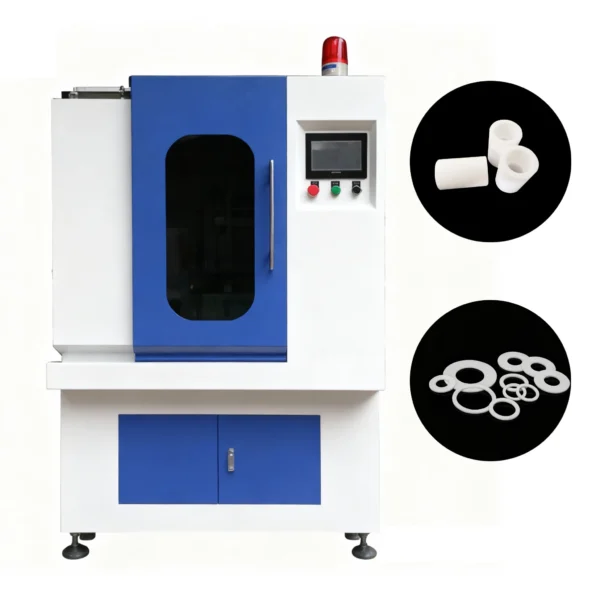
Автоматическая машина для прессования ПТФЭ для уплотнений и прокладок
Наша автоматическая машина для прессования PTFE обеспечивает высокую точность изготовления уплотнений и прокладок из PTFE. Эта машина для прессования тефлона гарантирует стабильное качество и высокую производительность вашей производственной линии. Оцените превосходную эффективность и надежную работу нашей автоматизированной гидравлической прессующей системы, разработанной для сложных промышленных применений.