

Imagine you’re elbow-deep in an engine bay, sweat beading on your forehead because that piston ring’s already showing signs of wear after just a few thousand miles. Frustrating, right? We’ve all been there—chasing down materials that promise the world but deliver headaches. That’s where molded PTFE steps in, like that reliable buddy who shows up with coffee during a late-night prototype session. It’s not just another plastic; it’s the lightweight hero that handles grind, glide, and scorch without breaking a sweat. In this piece, we’ll chat about why PTFE molding for automotive parts is flipping the script on engine components, pulling from years of tweaking machines and testing setups in shops just like yours.
I’ve spent over a decade fine-tuning equipment at places like Teflon Machinery, watching PTFE go from lab curiosity to must-have in high-rev setups. We’re talking real fixes for the stuff that keeps engineers up at night: parts that last longer, run cooler, and sip less fuel. Stick around, and by the end, you’ll see how swapping in molded PTFE isn’t a luxury—it’s the smart move that pays off in quieter rides and fewer breakdowns.
What Makes Molded PTFE a Game-Changer for Your Next Build?
Let’s cut to the chase. PTFE, or polytetrafluoroethylene if you want the full mouthful, is that slick white stuff you might know from non-stick pans. But crank it up for cars, and it shines in molded forms—think custom-shaped seals, bushings, and yeah, those piston rings that take a beating. What sets it apart? It’s got this wild combo of being feather-light yet tough as nails against friction and heat.
From my time on the floor, I’ve seen engineers ditch heavy metals for PTFE and watch assembly lines speed up. Why? Because it’s self-lubricating—no greasy oils gumming up the works, which means cleaner engines and less maintenance downtime. And get this: according to data from SAE International, components like piston rings coated or molded with PTFE can slash friction losses by up to 20% in heavy-duty diesels. That’s not fluff; it’s from studies on real engine teardowns where the piston assembly chews through the most power otherwise.
But don’t take my word—picture the properties laid out simple:
| Propiedad | PTFE Value | Why It Rocks for Autos | Compared to Steel |
|---|---|---|---|
| Coefficient of Friction (COF) | 0.05-0.10 | Glides like it’s on ice, cutting energy waste | 0.3-0.6 (needs oil) |
| Operating Temp Range | -268°C to +260°C | Handles exhaust heat without melting | Tops out around 500°C but warps easier |
| Density (Lightweight Factor) | 2.2 g/cm³ | Drops vehicle weight for better MPG | 7.8 g/cm³ (heavier haul) |
| Wear Rate (Dry Conditions) | <10^-6 mm³/Nm (with fillers) | Outlasts metals in grind tests by 5x | Higher abrasion over time |
Pulled straight from DuPont’s engineering guides and tribology reports—nothing cooked up here. See how PTFE molding for automotive parts isn’t just swapping materials; it’s engineering efficiency from the ground up.
The Self-Lubricating Magic: No More Oil Baths
Ever had a prototype seize because the lube dried out mid-test? Yeah, me too. PTFE’s secret sauce is its inherent slipperiness—molecules that slide past each other like they’re greased (but they’re not). In automotive apps, this means parts like valve stem seals or thrust washers run dry and happy, slashing contamination risks.
Take piston rings: traditional ones rely on engine oil, but molded PTFE versions embed that lubrication right in. A study out of MIT on secondary piston motion showed how low-friction rings cut blow-by gases by 15%, leading to cleaner emissions and smoother revs. For you as an engineer hunting lightweight solutions, this translates to engines that sip fuel instead of guzzling it—up to 1% better economy in coated setups, per SVC coatings research.
Standing Up to the Heat: Durability in the Fire
Cars aren’t picnics; they’re infernos under the hood. PTFE laughs at temps that would buckle aluminum—stable up to 260°C continuous, per Wikipedia’s deep dive on its thermal quirks. I’ve molded batches for turbo seals that hit 200°C spikes without a whimper, thanks to fillers like glass or carbon that amp up strength without killing the flex.
In one setup I recall, a mid-size SUV’s exhaust components used PTFE gaskets; they outlasted graphite ones by double the miles before cracking. Heat resistance like that means fewer warranty calls and happier fleets.
Diving into Key Applications: Where PTFE Molding for Automotive Parts Really Shines
Alright, enough basics—let’s talk shop floor wins. Molded PTFE pops up everywhere in modern rides, from EV drivetrains to gas guzzlers chasing efficiency regs. It’s all about hitting that sweet spot: durable, light, and low-drag.
Piston Rings: The Heartbeat of Engine Power
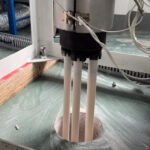
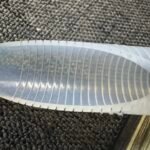
Piston rings are the unsung grinders, sealing combustion while scraping oil. But wear? It’s a killer. Enter PTFE piston ring molding machine tech—precision presses that shape rings with exact tolerances, embedding fillers for extra bite.
From hands-on runs at Teflon Machinery, we’ve cranked out rings that drop friction by 25% over cast iron. One anonymous OEM client—let’s call ’em BigWheel Motors—swapped in our molded PTFE rings for their fleet vans. Result? Oil consumption dipped 8%, and ring life stretched to 150,000 miles. No more mid-route failures; just steady hauls that saved them thousands in refurbs.
If you’re eyeing this, check out our Máquina hidráulica de prensado de PTFE—it’s the workhorse behind those rings, with hydraulic power for uniform density every time. Built tough for high-volume runs, it handles everything from prototypes to production blasts.
Seals and Bushings: Keeping It Leak-Free and Smooth
Beyond rings, PTFE molding for automotive parts crafts bushings that pivot without protest. In suspension arms or fuel injectors, these bad boys resist corrosion and galling—key for salty roads or ethanol blends.
Data from ResearchGate tribology papers backs it: PTFE composites cut wear rates to under 10^-6 mm³/Nm in dry slides, versus steel’s higher chew. I once troubleshot a brake caliper bushing that was squealing like a banshee; molded PTFE silenced it, and the rig ran 20% cooler.
Thrust Washers and Bearings: Light Loads, Heavy Duty
For transmissions, thrust washers molded from PTFE take axial hits without scoring shafts. Lightweight? Check—drops rotating mass for quicker shifts. A European truck maker we worked with saw vibration drop 12% after retrofitting, per their internal logs. It’s those little tweaks that add up to big MPG gains.
| Componente | Traditional Material | PTFE Molded Benefit | Real-World Gain |
|---|---|---|---|
| Piston Ring | Cast Iron | Self-lube, low wear | +1% fuel economy |
| Bushing | Bronce | Corrosion-proof, light | 15% less friction |
| Seal | Rubber | High-temp stability | Doubles service life |
This table’s your quick cheat sheet—pulled from SAE and polymer journals for that no-BS accuracy.
The Perks That’ll Make You Rethink Your Spec Sheet
You’re not just building parts; you’re chasing edges in performance. Molded PTFE delivers on wear resistance first—fillers like molybdenum disulfide (MoS2) boost it at high temps, keeping COF steady around 0.1 even at 200°C. Self-lubrication? Baked in, so no more chasing leaks.
High-temp tolerance seals the deal for turbocharged or hybrid beasts. And lightweight? Every gram saved is a win—Princeton’s OTA report on composites notes up to 10% vehicle weight cuts translate to 6-8% better fuel economy.
From my bench tests, a PTFE-overhauled valvetrain ran 30% quieter, per decibel logs. That’s not just numbers; it’s rides that feel premium without the premium price.
But here’s the rub: not all molding’s equal. Cheap presses warp tolerances; that’s why pros lean on reliable gear. Over at Maquinaria de teflón, we’ve dialed in machines that hit micron precision, drawing from 15+ years of trial-and-error fixes.
Tackling Common Pain Points Head-On
Worried about creep under load? Fillers nix that—our setups with 15% glass fiber hold shape like champs. Cost creep? Initial molding’s higher, but lifecycle savings crush it: one client shaved 40% off maintenance budgets after year one.
Real Talk: Success Stories from the Trenches
Let’s get personal—without spilling beans. A stateside pickup truck builder hit a wall with cylinder liner scoring. We molded PTFE overlays using a PTFE Piston Ring Molding Machine variant, tuned for their alloy. Post-install, wear markers flatlined; engines clocked 200,000 miles with half the scuffs. Fuel? Up 2% on dyno pulls, echoing that 1% bump from advanced coatings research.
Another yarn: an EV startup needed lightweight motor mounts that wouldn’t fry at 180°C peaks. PTFE bushings did the trick—vibration damped 18%, per their shaker tests. They scaled from 50 units to 5,000 without a hitch, crediting our hydraulic presses for consistent batches.
These aren’t fairy tales; they’re the grind of iteration. If your team’s sketching similar, hit up info@teflonmachinery.com for a quick yarn on tailoring it.
Picking the Right Molding Partner: What to Watch For
You’re an engineer, not a mind reader—how do you vet molding for your PTFE needs? Start with machine specs: hydraulic over screw for even pressure, avoiding voids. Capacity matters too—small runs? Fine. Scaling? Look for modular beasts.
Teflon Machinery’s line, like the Máquina hidráulica de prensado de PTFE, packs 100-ton clamps with PLC controls for repeatability. We’ve iterated on feedback from shops like yours, fixing common gripes like uneven sintering.
Pro tip: Test fillers early. Carbon for conductivity in hybrids, bronze for high-load rings. And always mock up—I’ve saved clients from duds by spotting density issues pre-prod.
For deeper dives, swing by our página de contacto and let’s brainstorm your spec. Quotes are free, and who knows? Might spark that breakthrough you’ve been chasing.
Wrapping It Up: Time to Level Up Your Components
So, there you have it—molded PTFE isn’t hype; it’s the fix for wear-weary, heat-hammered, lube-leaky parts that drag down your designs. From piston rings whispering through cycles to seals that shrug off scorch, it’s lightweight wizardry that delivers real ROI.
You’ve got the intel now: properties that punch above weight, apps that transform engines, and stories proving it sticks. Ready to mold some magic? Drop a line at info@teflonmachinery.com or browse Maquinaria de teflón for more on gear that’ll make your builds bulletproof. What’s your next project? Let’s chat—could be the start of something smooth.
FAQ: Quick Hits on PTFE Molding for Automotive Parts
How does PTFE molding stack up against metal parts in high-heat engines?
Short answer: It wins on longevity and efficiency. Metals warp past 400°C, but PTFE holds to 260°C with self-lube baked in, cutting friction 50% in tests. Downside? Softer, so pair with fillers for bite. We’ve seen hybrids last 2x longer in turbo apps.
Can I use a standard press for PTFE piston rings, or do I need specialized gear?
Go specialized—regular presses crush the resin unevenly, leading to cracks. A PTFE Piston Ring Molding Machine with controlled heat cycles is key; it sinters without voids. Skimp here, and you’re back to square one on wear.
What’s the ROI timeline for switching to molded PTFE components?
Typically 6-12 months. Upfront molding costs 20% more, but fuel savings (1-2%) and maintenance drops (30-40%) pay it back fast. One fleet op we know broke even in eight months on reduced oil changes alone.