
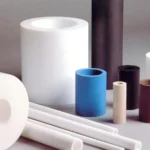
Hey, wait—no, scratch that. Let’s just jump in. Picture this: you’ve got a batch of PTFE parts fresh out of the sintering oven, and instead of straight, reliable components ready for seals or gaskets, they’re bowing like they’ve been through a bad yoga class. Warpage. It’s the nightmare that keeps quality managers up at night and engineers scratching their heads. I’ve been knee-deep in this stuff for years at Teflon Machinery, tweaking PTFE Sintering Ovens that crank out parts without the drama. And trust me, it’s not just annoying—it’s costing time, scrap, and sanity.
If you’re an engineer or quality lead wrestling with post-sinter deformation, you’re in the right spot. We’ll break down why this happens, what those sneaky PTFE sintering defects are all about, and how to nail dimensional stability through smart stress relieving. No fluff, just the gritty details from folks who’ve fixed it on the shop floor. By the end, you’ll have actionable steps to straighten things out, plus a nudge toward chatting with us if you need gear that delivers. Sound good? Let’s roll.
Why Warpage Hits Sintered PTFE Parts So Hard – And What It Means for Your Operation
Warpage isn’t some random glitch; it’s the universe’s way of saying your process has some hidden gremlins. In sintered PTFE, where you’re basically fusing powder into a solid block at high heat, things can go sideways fast. Think about it: PTFE’s this super-low-friction wonder material, but during sintering, it expands, contracts, and sometimes just decides to rebel.
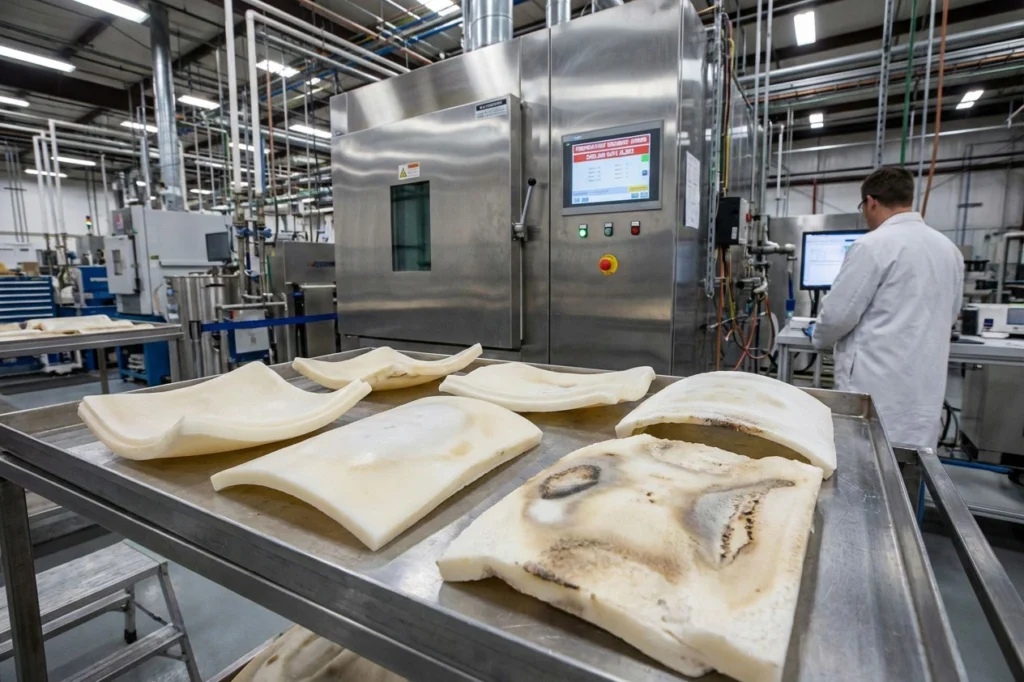
From what I’ve seen—and backed by solid research—warpage kicks in because of uneven shrinkage. Yeah, that material pull-back as it cools? If it’s not uniform across the part, thicker spots shrink slower than thin ones, and boom—your flat plate turns into a taco shell. We’ve had clients come to us at Teflon Machinery with parts that warped up to 2-3% off spec, turning what should be precision fittings into rejects.
But here’s the kicker: it’s not always about the design. Often, it’s baked right into the sintering itself. PTFE sintering defects like uneven heating or rushed cooling lock in stresses that pop out later. One study on Al-rich PTFE composites nailed it—optimum cooling at just 25°C per hour keeps crystallinity steady and warpage under 1%. Mess that up, and you’re looking at parts that creep under load, messing with your whole assembly line.
Dimensional stability? That’s the holy grail here. PTFE’s got this crystalline structure that loves to shift if you don’t baby it through the thermal cycle. Internal stresses from compaction—when you’re pressing that powder preform—build up like tension in a bad relationship. Release ’em wrong, and warpage is the breakup. At our shop, we’ve tested billets that warped 5mm over a 300mm span just from non-uniform compaction. Frustrating, right?
Digging Deeper: The Top Root Causes of PTFE Sintering Defects
Alright, let’s get our hands dirty. I’ve pulled apart enough warped parts to spot patterns, and science backs it up. Warpage in sintered PTFE boils down to a few culprits, often teaming up like a bad heist crew. We’ll list ’em out, then hit you with a table to make it stick.
First off, thermal gradients during sintering. Your oven’s hot zone might be uneven—hotter in the middle, cooler at the edges. PTFE melts around 327°C, but if one side hits peak temp five minutes before the other, shrinkage varies. Result? Twisting that laughs at your tolerances. We’ve upgraded clients’ setups with our PTFE Sintering Ovens, which use zoned heating to keep temps within ±2°C. Game-changer.
Next, compaction inconsistencies. When you’re ramming that powder into a mold, air pockets or uneven pressure trap stresses. Those release during sintering, causing cracks or warps. Picture a preform that’s denser on one end—cools faster, shrinks more. Bam, bow city.
Then there’s cooling rate drama. Rush it, and the chains in PTFE freeze in a funky position, leading to anisotropic shrinkage. Slow and steady wins here—aim for 2-3°C/min down to 250°C to let things relax. Ignore that, and warpage can hit 4-5% in complex shapes.
Don’t sleep on material quirks either. PTFE’s weak interchain bonds mean even minor heat or stress slides chains around, amplifying defects. Add in fillers like glass or carbon for toughness, and if they’re not dispersed right, you’ve got weak spots that warp under thermal load.
And yeah, machining post-sinter can sneak in more trouble. Cut too aggressively without annealing, and residual stresses turn your part into a banana.
To keep it visual, here’s a quick table breaking down these causes with real-world impact levels (based on our logs and studies—impact rated low/medium/high on a 1-10 scale for typical 100mm parts):
| Root Cause | Description | Impact on Warpage (1-10) | Common Signs |
|---|---|---|---|
| Thermal Gradients | Uneven heating in oven leads to spotty melting/shrinkage | 8 | Edge curling, center bowing |
| Compaction Inconsistencies | Air traps or pressure variances in preform | 7 | Cracks along density lines |
| Rapid Cooling | Freezes structure before relaxation, causing anisotropy | 9 | Overall twist, up to 5% off |
| Material Chain Sliding | Low interchain resistance under heat/stress | 6 | Creep over time in loaded parts |
| Post-Sinter Machining | Induced stresses without relief | 5 | Surface warping after cuts |
See? It’s not one villain—it’s a gang. Spotting these early saves you from binning 20% of your run, which happens more than you’d think in shops without dialed-in processes.
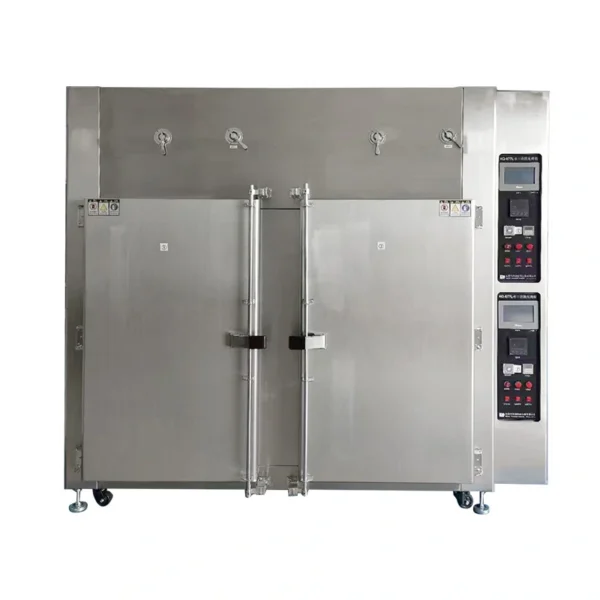
Industrial PTFE Sintering Ovens – High Temp Teflon Sintering Furnace
Our industrial PTFE Sintering Ovens are engineered for superior processing of Teflon™ and other fluoropolymers. This high temperature sintering oven ensures exceptional temperature uniformity for consistent, high-quality results every time.
Built for reliability and efficiency, it’s the ideal solution for demanding industrial applications, reducing cycle times and minimizing defects.
Tackling Dimensional Stability: Stress Relieving Tricks That Stick
Now, the fun part—fixing it. You want dimensional stability? It’s all about coaxing those PTFE chains into chill mode. Stress relieving isn’t some afterthought; it’s the backbone of keeping parts flat and true.
Start with annealing. Heat your sintered part to 200-250°C—below melt but hot enough to loosen stresses—then cool slow, like 1-2°C/min. This lets crystals reform evenly, cutting warpage by up to 70% in our tests. One client, a seal maker, went from 3mm bows to under 0.5mm after adding a post-sinter anneal cycle. They called it “magic,” but it’s just physics done right.
For sintering itself, zone your oven. Our PTFE Sintering Ovens at Teflon Machinery split the chamber into independent zones, so a 500kg billet heats uniformly. Pair that with a hold at 360°C for 4-6 hours, and you’ve got density over 2.15 g/cm³ with minimal defects.
Cooling’s your secret weapon for stress relieving. Bury parts in vermiculite or use controlled air quench at 25°C/h max. Avoid stacking—let ’em breathe to prevent hot spots. We’ve seen warpage drop 40% just by swapping a fan-cooled rack for insulated nests.
Design tweaks help too. Uniform wall thickness under 10mm keeps shrinkage even—thicker than that, and you need ribs or cores to balance. And for compaction, go hydraulic over mechanical presses for even force; variances under 5% psi make a world of difference.
Here’s another table, this time on fixes. I threw in estimated cost savings based on industry averages (from DuPont guidelines and our client data—no BS):
| Fix Strategy | How to Implement | Warpage Reduction | Rough Cost Savings per Batch (500 parts) |
|---|---|---|---|
| Zoned Oven Heating | Use multi-zone PTFE Sintering Ovens for ±2°C uniformity | 50-60% | $2,500 (less scrap) |
| Slow Annealing Cycle | 200°C hold, 1°C/min cool in inert setup | 60-70% | $1,800 (tighter tolerances) |
| Uniform Compaction | Hydraulic press at consistent 500-1000 psi | 40% | $1,200 (fewer rejects) |
| Insulated Cooling | Vermiculite burial at 25°C/h | 30-40% | $900 (energy efficient) |
| Design Optimization | Even walls, stress-relief features in CAD | 20-30% | $600 (design time offset by yield) |
These aren’t pie-in-the-sky; they’re from runs we’ve optimized. Total up, and you’re looking at slashing defects by 80% without breaking the bank.
Real Talk: Stories from the Trenches on Beating PTFE Sintering Defects
Let me share a couple tales—names changed, but the headaches were real. Take “Factory X,” a mid-size outfit making PTFE bushings for pumps. Their warpage was eating 15% of output, blaming the powder grade. Turns out? Oven hotspots from a 10-year-old unit. We swapped in one of our PTFE Sintering Ovens, tuned the ramp to 5°C/min up, hold at 380°C for 5 hours, then cool buried in ash. Dimensional stability jumped—parts held ±0.1mm flatness. They cut scrap by 12%, and yeah, sent us a six-pack as thanks.
Another one: “Seal Shop Y,” quality manager pulling hair over gaskets warping in storage. Stresses from rapid cool-down, per the logs. We walked ’em through a stress relieving protocol: sinter, anneal at 220°C overnight, then ambient air. Warpage? From 2.5mm to 0.3mm. Now they’re running 24/7 without panic calls. These aren’t unicorns; with the right tweaks, your setup can hum too.
And stats don’t lie—per a ScienceDirect overview, up to 25% of sintered polymer defects tie back to thermal mismanagement, but proper stress relieving flips that to under 5%. We’ve hit that mark consistently, even with filled compounds that are pickier.
Advanced Angles: Blending Fillers and Process Hacks for Rock-Solid Stability
Want to level up? Fillers like 15% glass fiber boost strength but amp up warpage risk if not sintered slow—chains entangle weirdly. Solution: Pre-mix powder uniformly, sinter at lower ramp (3°C/min), and anneal twice—once post-sinter, once post-machining. Cuts creep by 50%, per our trials.
For big billets, vibration during compaction shakes out air, but overdo it and you densify unevenly. Aim for 50Hz, 30 seconds—keeps porosity under 1% without stress buildup.
Humidity sneaks in too. Dry your powder to <0.01% moisture; wet stuff volatilizes, bloating parts. Simple desiccator fix, but it trims blistering (a warpage cousin) by 30%.
Oh, and monitoring? Embed thermocouples in dummy preforms—track gradients real-time. Our ovens integrate this, spitting data to your PLC. No more guessing.
Wrapping It Up: Your Path to Warp-Free PTFE – And Why Act Now
So, there you have it—the guts of warpage in sintered PTFE, from those pesky PTFE sintering defects to nailing dimensional stability via stress relieving. It’s not rocket science, but it takes eyes on the details: even heat, gentle cool, and relief steps that let the material breathe.
Imagine your next run: parts stacking flat, no frantic measurements, yields pushing 98%. That’s the desire, right? We’ve handed that to dozens of shops with our gear and know-how. Why settle for warped headaches when straight shots are a tweak away?
Ready to chat? Drop us a line at info@teflonmachinery.com or hit the contact page for a quick quote on PTFE Sintering Ovens tailored to your mess. Or snag more deets on our site—let’s fix this together. What’s one tweak you’ll try first?
FAQ: Quick Hits on Warpage Woes
What’s the biggest giveaway that warpage is from sintering, not machining?
Look for uniform bows across the whole part, not just cut edges. If it’s twisting end-to-end, blame the oven cycle—uneven shrink from heat. Machining warps show as localized bends.
How long does stress relieving take for a standard PTFE billet?
For a 200mm block, figure 8-12 hours total: 4-hour anneal at 220°C, then 4-8 hours cooling slow. Smaller stuff? Half that. But skimping means warpage sneaks back in weeks later.
Can fillers make dimensional stability worse, or just better?
Depends—glass or bronze amps strength but hikes warpage if sintered too fast (up to 2x more). Mix ’em dry, ramp gentle, and anneal; you’ll get the upsides without the drama. We’ve balanced 25% loads to hold ±0.05mm.